Merle Karro-Kalberg, a member of our Landscape Biodiversity research group, joined the Estonian radio programme Ökoskoop to discuss how biodiversity can be supported in urban environments.
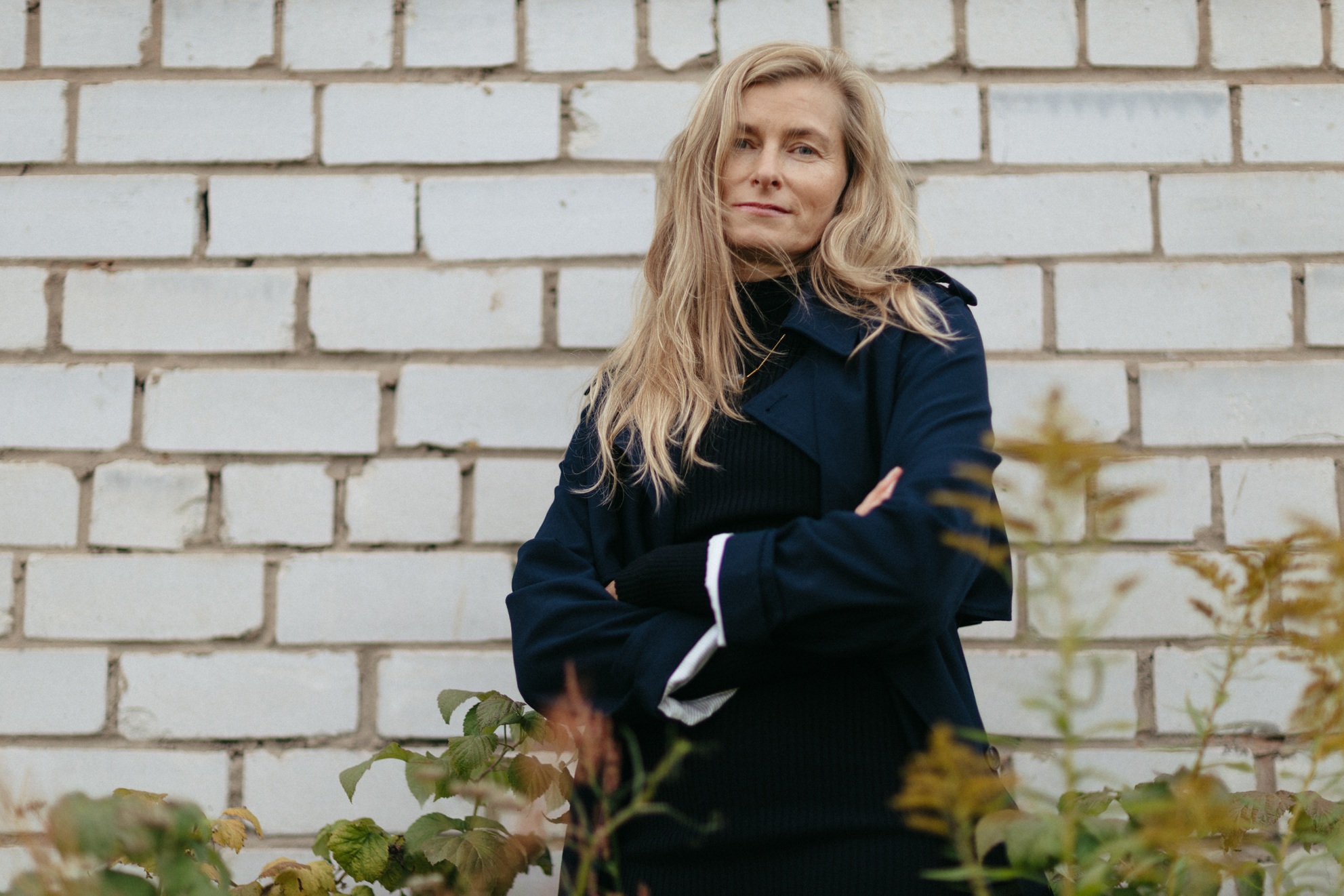 Merle Karro-Kalberg. Photo by Luisa Greta Vilo.
Here are some of Merle’s key takeaways from the interview:
- Where the soil contains a rich natural seed bank, mowing less frequently allows plant species that cannot tolerate regular mowing to return. In newer urban parks, however, biodiversity often needs a helping hand. This can include introducing soil from long-established grasslands and creating donor patches using seeds collected from Estonia’s species-rich meadows.
- Closely mown lawns could also be described as “green deserts”: they support only a few plant species and provide little food for pollinators. In contrast, plants such as thistles and nettles play an important ecological role. Nettles are essential for several butterfly species, while thistles are an important food source for many pollinators.
- Every now and then, it is worth asking ourselves why we consider certain plants unattractive. Once we understand the role each species plays in supporting nature, our idea of what makes an attractive urban landscape may begin to change.
- Although tick-borne diseases are a serious concern, there is currently no scientific evidence that taller grass automatically means more ticks. A study carried out in Tartu found only a handful of ticks across the city and detected no link between less frequently mown areas and a higher tick risk.
Listen the full interview (in Estonian) here.